Block Time Utilization Sits at 65 Percent. The Other 35 is Margin.
Multi-specialty ASCs run on scheduling, throughput, and case mix optimization. The operational AI opportunity in this segment is the largest in healthcare, and the delivery model that captures it is the one where US principal engineering leadership owns the outcome from architecture through production.
The Pains That Show Up in Every Multi-Specialty ASC P&L Review.
We have walked through these conversations enough times to know what comes up first. Here are the three operational pains that drive the largest dollar opportunity in this segment, and the AI systems we build to address each.
What This Looks Like in Dollar Terms.
For a multi-specialty ASC running 8 to 12 ORs at 4,000 to 6,000 cases per year, the operational AI opportunity is in the seven-figure range annually. The diagnostic surfaces a specific opportunity sizing for your facility based on your case volume, payer mix, and current operational state.
5 to 15 percent
Capacity recapture from dynamic block optimization, predictive cancellation modeling, and demand-aligned scheduling. For a 12-OR facility at 5,000 cases, this is roughly 250 to 750 incremental cases annually.
3 to 8 percent
Net revenue lift from denial reduction, coding accuracy improvement, and faster cash conversion. For a facility with $40M in net revenue, this is $1.2M to $3.2M annually.
10 to 20 percent
Labor cost optimization from demand-aligned staffing, real-time productivity visibility, and turnover pattern analytics. Typically the second-largest opportunity in the ASC P&L after throughput.
Ranges reflect benchmarks observed across published ASC operations research and Sonatafy engagement experience in regulated and high-throughput environments. The diagnostic produces a sized opportunity specific to your facility.
The POD Model, Adapted for ASC Operations.
Most AI vendors selling into ASCs deliver a module that runs adjacent to your Surgical Information System. They cannot integrate deeply because they do not own engineering. Most consulting firms deliver a roadmap and walk away. Sonatafy installs the system, integrated with your SIS, your practice management platform, your billing system, and your scheduling workflow.
Every ASC engagement runs through a Managed Delivery POD. A US-based principal engineer owns the architecture and delivery outcome. Senior LATAM AI engineers, time-zone aligned, execute alongside. Practice Lead leads the practice and owns the AI systems engineering. A healthcare compliance architect ensures HIPAA alignment and BAA coverage from day one.
This is what production AI delivery looks like in an ASC environment. Not a pilot. A system that runs every day.
Why Sonatafy, Not Your SIS Vendor or a Consulting Firm.
SIS vendors sell scheduling and clinical documentation modules built for the average ASC. They run on the vendor roadmap. Customization is limited. Integration with your billing or practice management platform is partial. The AI features are bolt-on, not architectural.
Consulting firms deliver a maturity assessment, a roadmap, and a vendor selection recommendation. The team that built the deck does not build the system. Implementation is your problem or theirs at three times the price.
Sonatafy installs production AI systems integrated with your SIS, practice management, and billing platforms. US principal engineering leadership owns the outcome. Senior LATAM AI engineers execute. HIPAA-aligned from architecture, with documented handoff to your team.
We own the result. That is the difference.
Built for the Regulatory Reality of Ambulatory Surgery.
HIPAA, state ASC licensure, CMS conditions for coverage, and accreditation body standards (AAAHC, Joint Commission, AAAASF) are addressed in engagement scoping, not at the end. Compliance review runs in parallel with architecture from day one.
HIPAA-Aligned Engagement Model
BAA execution, PHI handling protocols, and audit logging built into every engagement.
Accreditation-Aware Architecture
System design accommodates AAAHC, Joint Commission, and AAAASF documentation and reporting requirements.
State ASC Licensure Fluency
California, Texas, Florida, and other state-specific ASC requirements addressed during discovery.
CMS Conditions for Coverage
Architecture supports CMS requirements for Medicare-certified ASCs, including quality reporting and data submission obligations.
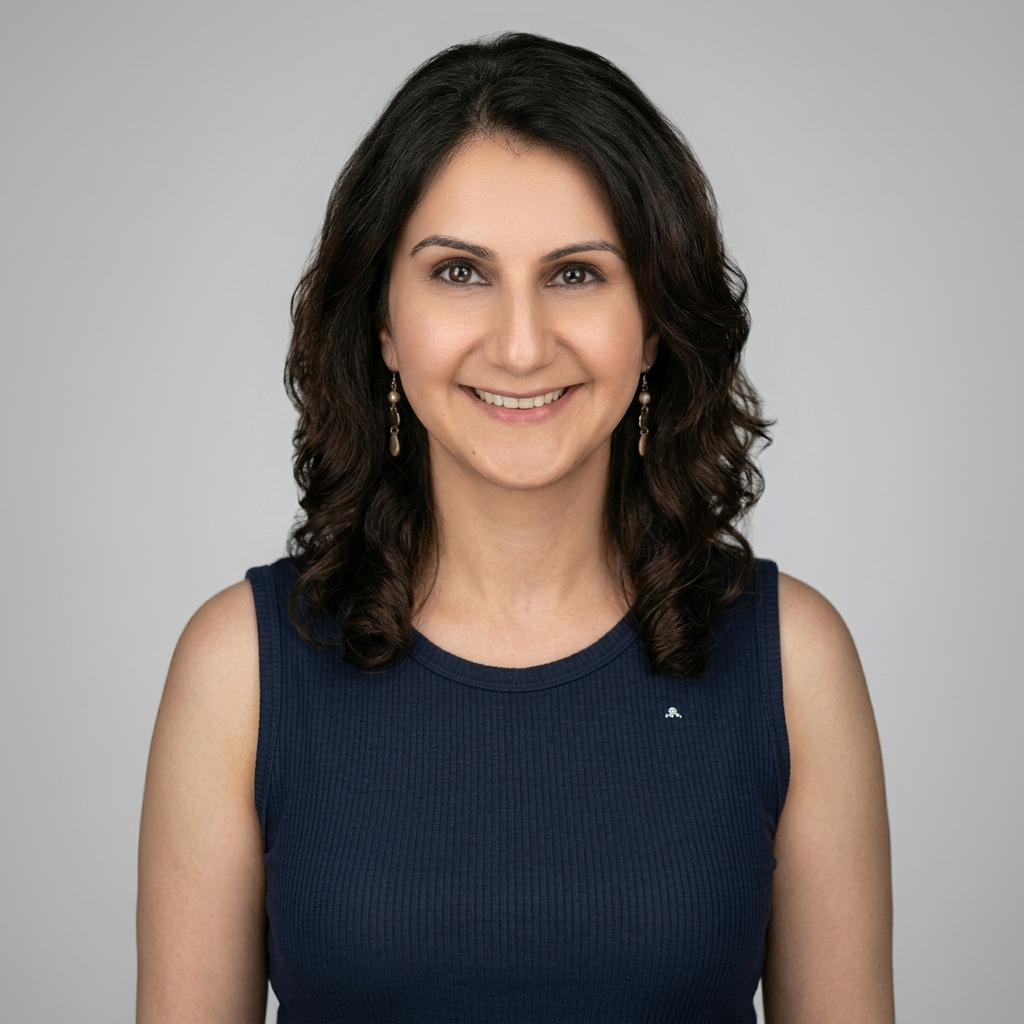
Principal Data and AI Architect (Practice Lead).
Our Principal Data and AI Architect leads Sonatafy's Healthcare Providers Practice and the AI systems engineering layer across every engagement. In ASC environments, her work focuses on production AI architecture that integrates with Surgical Information Systems, practice management, and billing platforms, with measurable operational impact inside the first 90 days of go-live.
ASC operations are the cleanest production AI opportunity in healthcare. The data is structured, the workflows are repeatable, and the operational P&L is sensitive enough to surface AI value within the first 90 days of go-live.
Patterns We See in Multi-Specialty ASCs.
The Schedule Is the System
In a multi-specialty ASC, every operational metric flows downstream from scheduling. AI applied at the schedule layer compounds across throughput, labor, and revenue cycle. Most ASCs apply AI at the wrong layer.
The Coordination Tax Across Specialties
Multi-specialty by definition means multiple surgeon preferences, supply requirements, and case durations. The coordination tax is hidden inside the daily operational reality. AI surfaces it and reduces it.
The Pilot Graveyard
Most ASCs have run two or three AI pilots that did not reach production. The reason is delivery model, not technology. Sonatafy exists because production AI in operational environments requires a different engagement structure than pilots do.
Size the Opportunity in Your ASC.
The five-minute diagnostic produces a sized opportunity for your facility based on your case volume, OR count, payer mix, and current operational state. It is built for ASC administrators and CFOs. The output is a benchmarked summary you can take to your board or your platform partner.